Innovative basic maintenance for national roads in Zeeland
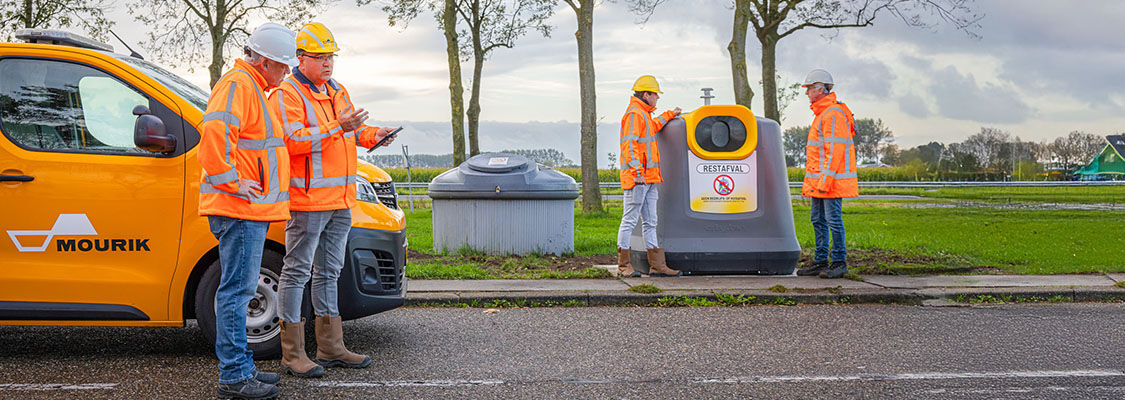
From 1 March 2024, Mourik will be responsible for maintaining national roads in Zeeland. We will be doing this together with Rijkswaterstaat, albeit in a slightly different way. The Basic Maintenance Contract (BOC), a pilot project by Rijkswaterstaat, under which we will be partnering, is unique on the one hand. And so is the use of digital solutions such as smart trash cans, which will reduce transport movements by 40,000 kilometers, on the other.
Pilot for the basic maintenance contract
The Basic Maintenance Contract (BOC) is different from traditional service contract forms and is being used by Rijkswaterstaat in this way for the first time. Previously, the contractor was responsible for all maintenance and free to determine how often work would be carried out. Now there is a predefined basic package of maintenance jobs to be carried out for highways, such as the A58, N57, N59 and N61.
‘This type of contract is new and we are discovering it together with Rijkswaterstaat’, says Francois Lebeau of Mourik. ‘In addition to the basic package, we can scale up or down flexibly and implement optimizations in consultation, leaving some margin for smart solutions.’
Smart trash cans with sensors
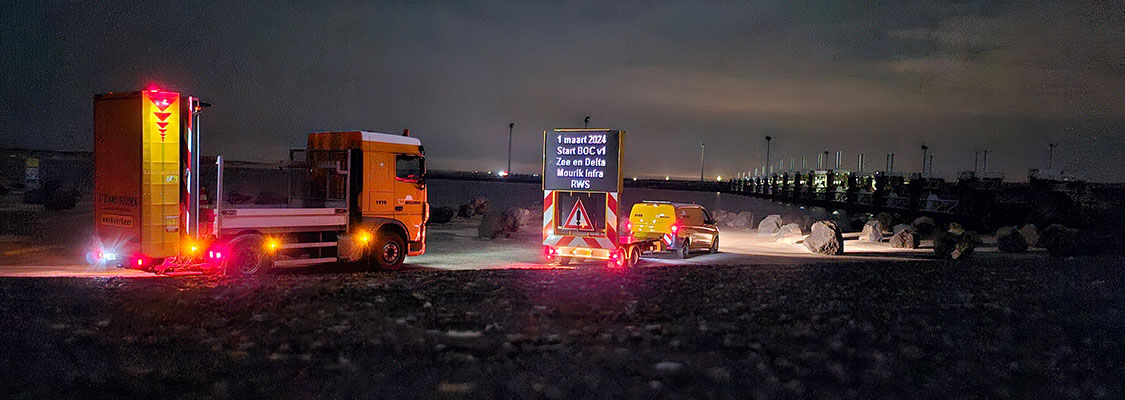
A good example of this is the management of trash cans along the highway. Mourik suggested to replace the underground trash cans with above-ground variants. Francois: ‘Previously, the trash cans were emptied according to a fixed schedule, but this did not match the actual needs. Some trash cans were full within a day, while others remained half empty. We can also move the above-ground trash cans more easily if this is more consistent with walking routes.’
Mourik also gave recommendations for various sustainable alternatives for the replacement of these trash cans. Ultimately, they settled on trash cans made from 98% recycled plastic. They also have a smaller opening, which means that less household waste is placed in them, thereby discouraging ‘trash tourism’.
Sensors were also installed, which send a digital signal as soon as the trash cans are full. This prevents unnecessary journeys and saves 40,000 kilometers of transport movements annually. ‘This saves costs and is more sustainable,’ says Francois.
This joint approach shows how smart technology and new types of contracts combine to ensure more efficient and sustainable road maintenance. Francois: ‘We all want to keep this area in the best shape possible; Rijkswaterstaat and Mourik are thus working towards the same goal.’
‘In addition to the basic package, we can scale up or down flexibly and implement optimizations in consultation, leaving some margin for smart solutions.’